Get Disability Ramp Repair
Disability ramp repair services help property owners fix and improve ramps to ensure safe, accessible entry for individuals with mobility challenges.
If you’re considering disability ramp repair services, you’re in the right place to explore your options. Ensuring that accessibility features are safe, functional, and compliant can be a practical step for property owners looking to improve safety or accommodate mobility needs. Whether planning a renovation or addressing existing issues, comparing local contractors who specialize in ramp repairs can help you find solutions that meet your specific requirements.
Local service providers who handle disability ramp repairs can assist with a range of practical concerns, from maintaining accessibility standards to enhancing property safety. By reviewing available options in your area, property owners can make informed decisions about repairs and upgrades. Keep reading to discover how connecting with experienced local contractors can support your project goals.
- Wheelchair Ramp Repair - needed when existing ramps become damaged or unsafe for wheelchair users.
- Threshold Ramp Replacement - required when door thresholds obstruct wheelchair access or are worn out.
- Commercial Ramp Restoration - necessary for businesses seeking to maintain accessible entrances for customers with disabilities.
- Residential Ramp Fixes - needed when home ramps deteriorate, crack, or no longer meet accessibility needs.
- Outdoor Ramp Repairs - needed to address weather-related damage or general wear on exterior disability ramps.
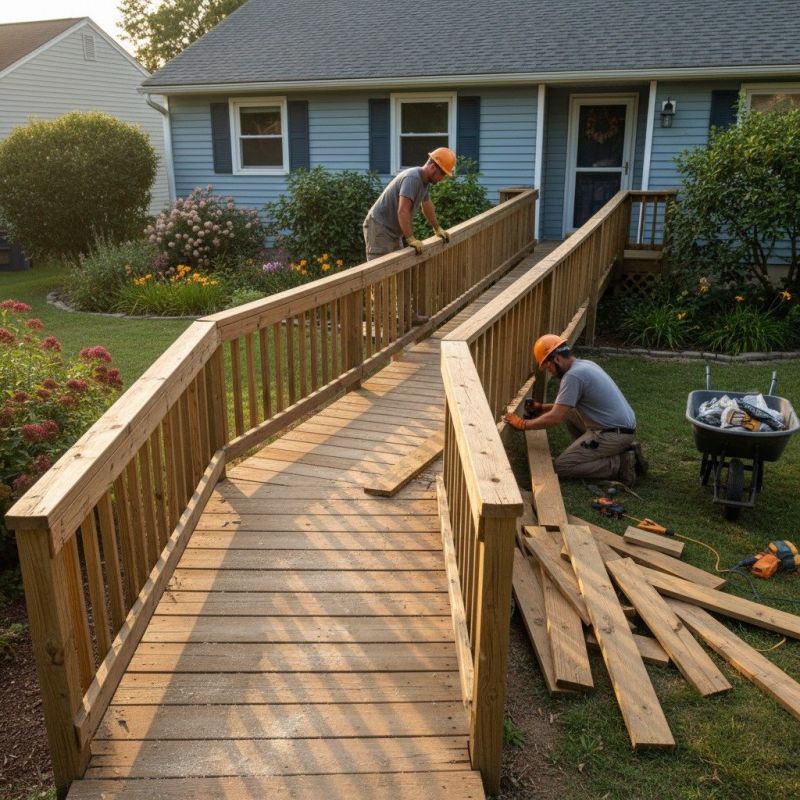
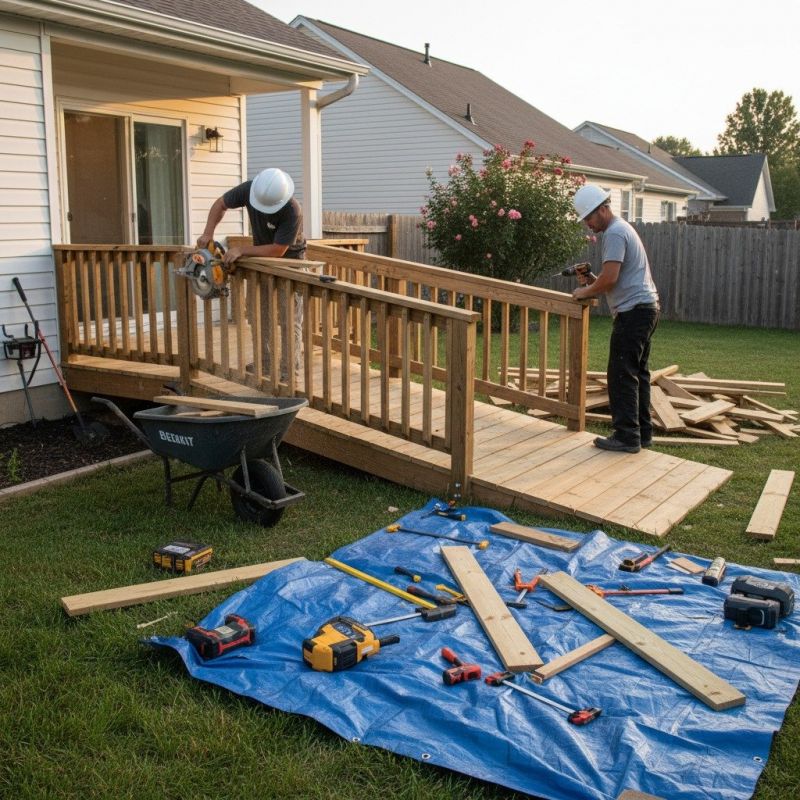
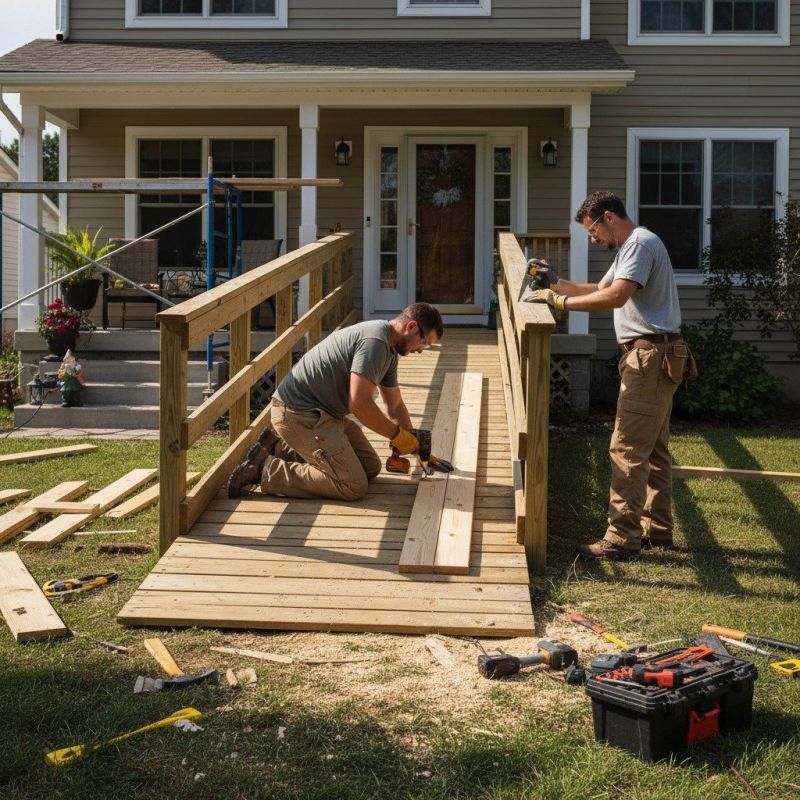
Disability ramp repair services focus on restoring or upgrading existing ramps to ensure they are safe, stable, and accessible for individuals with mobility challenges. These services typically involve inspecting the current ramp structure, addressing issues such as loose or damaged boards, unstable handrails, or uneven surfaces. Repair work may include replacing worn-out materials, reinforcing support structures, and ensuring proper slope and alignment to meet accessibility standards. The goal is to create a smooth, secure pathway that allows individuals to move in and out of a property comfortably and safely.
Many problems can make a ramp unsafe or unusable, prompting the need for repair services. Common issues include rotting or cracked wood, rusted or broken hardware, loose handrails, and uneven surfaces caused by ground shifting or settling. These problems can pose safety hazards, such as tripping or collapsing under weight, which could lead to falls or injuries. Repairing these issues promptly helps maintain the ramp’s integrity, ensuring it continues to serve its purpose effectively and reduces the risk of accidents for users.
Disability ramp repair services are often used by homeowners, property managers, and organizations that need to maintain accessible entrances for residents, clients, or visitors. Residential properties with aging or heavily used ramps frequently require repairs to keep pathways safe and compliant with accessibility guidelines. Commercial buildings, healthcare facilities, and public spaces also rely on these services to ensure their ramps remain functional and safe for all users. Whether a property has a simple wooden ramp or a more complex modular system, local contractors can assess and repair the structure to meet specific needs.
When property owners notice issues like wobbling, loose handrails, or surface deterioration on a ramp, it’s a sign that professional repair services may be needed. Addressing these problems early can prevent further damage and extend the lifespan of the ramp. Local service providers specialize in diagnosing and fixing a variety of common issues, helping property owners maintain safe, accessible entry points. Contacting experienced contractors for disability ramp repairs can ensure that the structure remains reliable, functional, and safe for everyone who relies on it.
The overview below groups typical Disability Ramp Repair projects into broad ranges so you can see how smaller, mid-sized, and larger jobs often compare in your area.
In many markets, a large share of routine jobs stays in the lower and middle ranges, while only a smaller percentage of projects moves into the highest bands when the work is more complex or site conditions are harder than average.
Smaller Repairs - typical costs range from $250 to $600 for minor ramp repairs or adjustments. Many routine jobs fall within this middle range, making it a common budget for straightforward fixes. Larger or more complex repairs may cost more, depending on scope.
Moderate Replacements - replacing a section of a ramp or upgrading hardware usually costs between $600 and $1,500. These projects often involve moderate labor and materials, with costs varying based on ramp size and materials used.
Full Ramp Replacement - complete replacement of a disability ramp can range from $2,000 to $5,000 or more. Larger, more complex projects, especially those requiring custom features, tend to push costs into the higher end of this range.
Custom or Accessible Design - specialized, custom-designed ramps for accessibility can start around $3,000 and go beyond $7,000. These projects often involve unique features or materials, which can significantly impact overall costs.
Actual totals will depend on details like access to the work area, the scope of the project, and the materials selected, so use these as general starting points rather than exact figures.
Wheelchair Ramp Installation - local contractors who specialize in building accessible ramps often have skills similar to those needed for ramp repair, including framing, leveling, and secure anchoring.
Elevator and Lift Repairs - technicians working on residential or commercial lifts share expertise in mechanical systems and safety features relevant to accessibility modifications.
Handrail and Guardrail Installation - installing and repairing handrails involves planning and precision work comparable to ramp repair, ensuring stability and compliance.
Concrete Repair and Leveling - contractors skilled in concrete patching and leveling can handle foundation issues or uneven surfaces that affect ramp safety and usability.
Stairlift Installation and Maintenance - service providers experienced in stairlift setup and repair often work with similar electrical and mechanical components as ramp systems.
Doorway and Threshold Modifications - professionals who modify doorways for accessibility are familiar with planning and executing structural adjustments similar to ramp repairs.
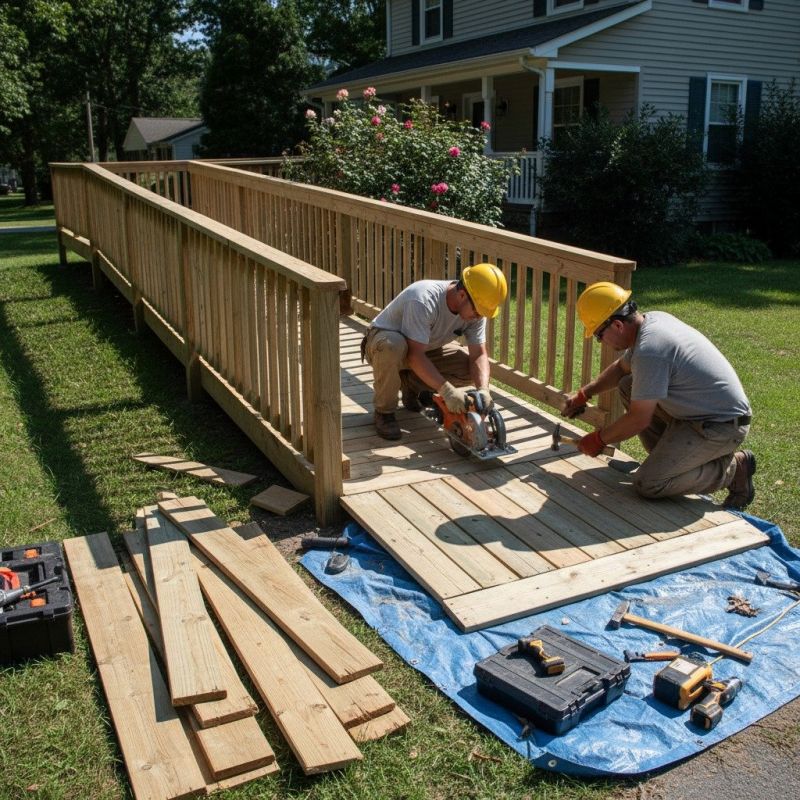
When evaluating potential service providers for disability ramp repair, it’s important to consider their experience with similar projects. Homeowners should inquire about how many ramp repairs or related accessibility modifications a contractor has completed, paying attention to the complexity and scale of those jobs. An experienced local contractor will be familiar with common challenges and best practices, helping to ensure the project is handled efficiently and effectively. This background can provide confidence that the chosen professional understands the specific requirements involved in disability ramp repairs, leading to a smoother process and a more reliable outcome.
Clear written expectations are essential when comparing local contractors. Homeowners should seek detailed descriptions of the scope of work, including materials, design features, and any specific accessibility standards the contractor intends to follow. Having these details in writing helps prevent misunderstandings and sets a clear benchmark for the project’s deliverables. When reviewing proposals or estimates, it’s beneficial to look for transparency and thoroughness in the contractor’s communication, as this indicates professionalism and a commitment to aligning expectations from the outset.
Reputation and communication are key factors in selecting a dependable service provider. Homeowners can ask for references or reviews from previous clients who had similar disability ramp projects completed. Reputable local contractors are often willing to share contact information or demonstrate a history of satisfied customers. Additionally, good communication during the initial inquiry phase can reveal how responsive and attentive a contractor is to questions and concerns. This level of engagement can be a good indicator of how smoothly the project will proceed and how well the contractor will keep the homeowner informed throughout the process.
Property owners use Disability Ramp Repair services for practical projects around their homes and businesses. This guide focuses on everyday jobs and straightforward project options.
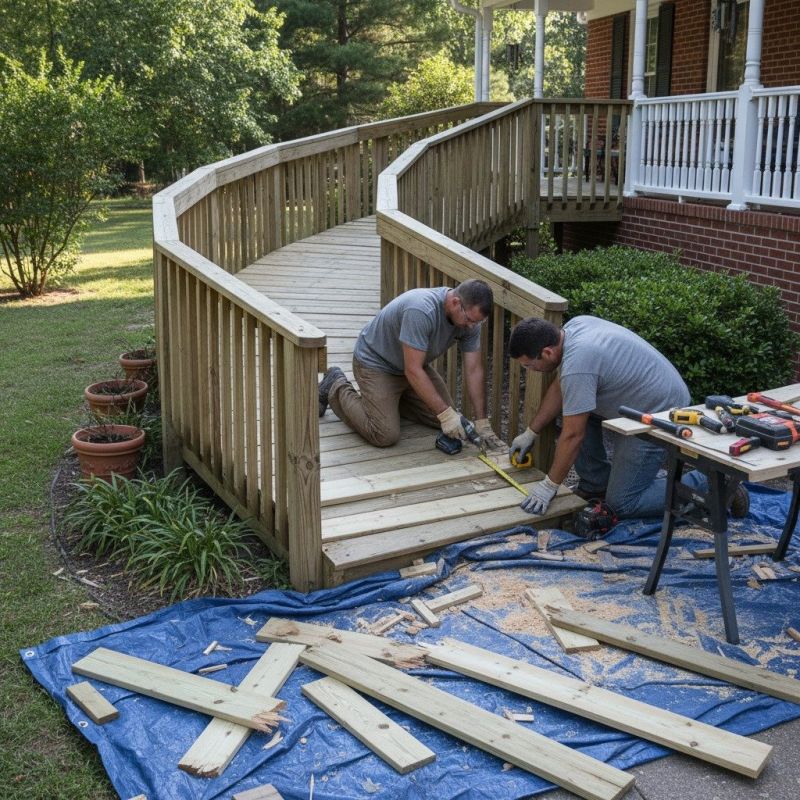
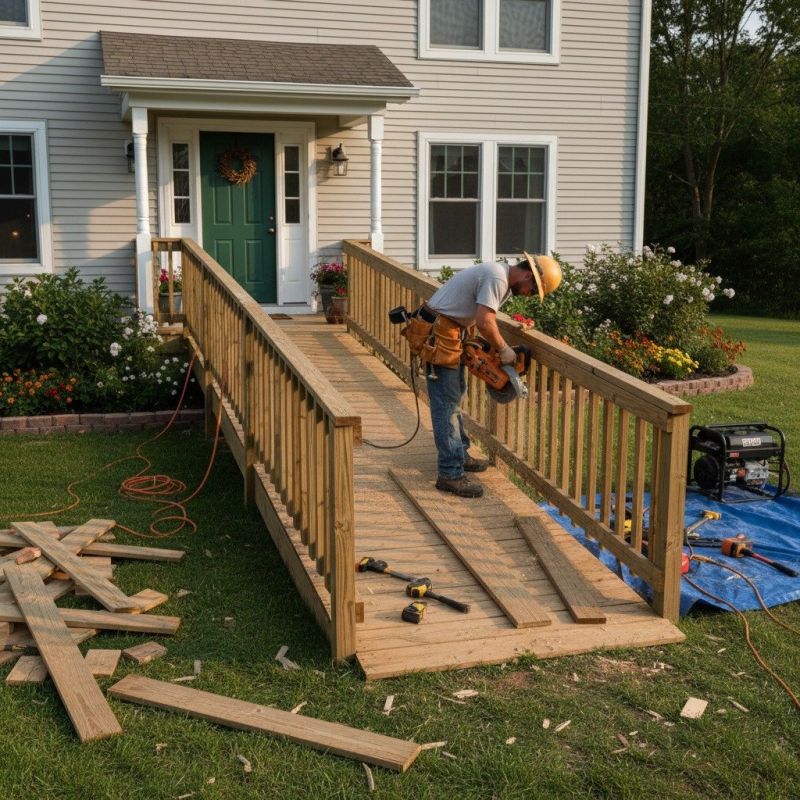
Disability ramp repair services are often needed when property owners notice issues with existing ramps, such as damage, wear, or structural instability. These repairs can be essential for ensuring safe and reliable access for individuals with mobility challenges, especially in homes, apartment complexes, or commercial buildings. Local contractors are available to assess the condition of ramps and perform necessary repairs to maintain compliance and usability, helping property owners avoid potential hazards and accessibility issues.
In many cases, property owners seek ramp repair services after experiencing problems like loose handrails, broken or cracked surfaces, or uneven surfaces that could pose safety risks. Whether due to weather damage, regular wear and tear, or accidental impacts, local service providers can address these concerns efficiently. Connecting with experienced contractors ensures that ramps are restored to proper condition, supporting ongoing accessibility and safety for residents, visitors, or employees.
What types of disability ramp repairs do local contractors handle? Local service providers can repair or replace damaged ramps, address uneven surfaces, and ensure that ramps meet accessibility standards for mobility devices.
How can I ensure my ramp remains accessible after repair? Local contractors can evaluate your ramp’s condition and recommend maintenance or modifications to keep it safe and functional over time.
Are there different ramp repair options for various types of disabilities? Yes, local service providers offer solutions tailored to specific needs, such as wheelchair access, scooter compatibility, or other mobility requirements.
What should I consider when choosing a ramp repair service? It’s helpful to look for local contractors with experience in accessibility modifications and a reputation for quality workmanship.
Can repairs be made to both residential and commercial disability ramps? Yes, local service providers can handle repairs for ramps in both residential homes and commercial properties to meet accessibility needs.
Accessibility Improvements - Property owners can enhance entryways to ensure safe and easy access for all visitors, especially those with mobility challenges.
Home Renovation Projects - Upgrading or replacing existing ramps can improve safety and functionality during remodeling or renovation efforts.
Event Preparations - Temporary or permanent ramp repairs can accommodate guests with disabilities for special gatherings or community events.
Property Maintenance - Regular inspections and repairs of existing ramps help maintain safety standards and prevent potential hazards.
If you are thinking about Disability Ramp Repair for a property, this guide is meant to help you understand the work, the typical project types, and how different options might fit your plans.
When you are ready, you can use the quote form on this page to share a few details about your project. From there, local pros can review the basics and respond with options that match what you have in mind.